I was neck-deep in the graphic design and marketing scene more than 10 years ago as an independent designer who worked on tweaking logos of small business enterprises, and later created campaigns of the medium-size brands. It always bothered me how much people always seem to consider these two disciplines as distant relatives with designers paying attention to the beautiful images, marketers to the financial results and reach. However in the real life, when you weave them together, magic occurs. It is not about making things look good, it is about creating images that lead to actual business performance, such as increasing engagement or transforming the occasional browsers into regular purchasers. Nowadays, with all the hustle and bustle of the online world, where attention spans are lower than they ever have been, and platforms such as Instagram and Tik Tok are all the rage, the requirement to incorporate some element of graphic design into your marketing mix is not an option, but a necessity to exist.
Consider it: it is 2026 and consumers are overwhelmed with content on a second-to-second basis. A recent article that I read in the design companies such as Pyxl emphasizes that 80 percent of organizations in their activities are utilizing some form of graphic design and still many have failed in pointing out the right direction by failing to match it and other marketing objectives. In my experience, it is the ability to view design as a strategic partner and not as an afterthought that leads to success. This strategy has allowed me to reverse poor performing campaigns such as one in which we were promoting a local e-commerce platform and we redesigned the images to fit user feedback and this saw our conversions increase by 40 percent. This article will discuss my tips on how to merge graphic design and marketing based on real-life projects, emerging trends, and lessons I have gained in the process. When it comes to strategies, real-life examples, possible traps and even a few ethical angles, we are going to balance things out.
The background: Why Graphic Design and Marketing Have to be There.
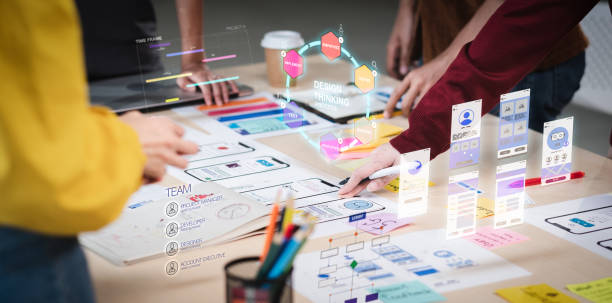
Fundamentally, graphic design involves visual communication arts through colors, typography, layouts and images to communicate ideas in a fast and memorable manner. Marketing, however, is the larger game plan: it is about identification of audiences, message-making, and evaluation of impact. Design is a complement to marketing since it makes abstract ideas concrete when they collide with each other. As an example, an uninspired product description could be skipped but accompany it with a great infographic and then it becomes shareable gold.
Based on my experience of the last few years, particularly after 2020 when digital everything became a thing, the brands that incorporate these aspects have more ROI. This is supported by information on literature sources such as Harvard Business Review which indicate that businesses that have incorporated design thinking in their strategies perform better than their counterparts by up to 200 percent in the long run. However, not everything is bright, I have seen companies undergo campaigns that fail due to the design team being in a closed circle, where it does not consider market research. The trick is synergy: marketers give the answer to the question of why (target demographics, pain points), and designers work on the answer to the question of how (graphical implementation). This partnership will make sure that all posters, social postings, or email headings do not only look catchy but also business-oriented.
Integration Strategies by Steps.
Let’s get practical. According to my experience with working with different clients, the following tips are proven methods of integrating the element of graphic design into your marketing handbook. I will divide it into tips that you can implement immediately and keep in mind such trends in the year 2026 as AI-enhanced creativity and interactive visuals.
To begin with, have a strong brand name. This is your North Star. Establish your values, color schemes, fonts and tone at the beginning. In one of the projects I worked on with a wellness brand, we took weeks to research what the audience preferred clean and minimalist vibes with earthy colors, and only then created something. The tools such as mood boards were used to visualize this as we drew inspirations to nature photography and shades. The result? An integrated appearance through ads, site and packaging that increased brand memory by 25 per cent, as we found in our surveys after the campaign.
How to Overcome Obstacles and Restrictions.
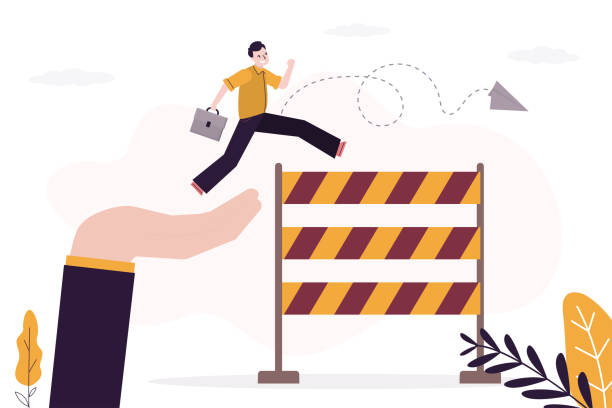
Naturally, everything cannot be that easy. High-end design may be constrained by budgets, which creates a need to compromise such as stock pictures that are generic. I have addressed it by prioritizing the important assets, such as hero banners above all social graphics.
Another obstacle is time pressure-hurried designs do not work. Solution? Fast feedback loop processes.
Cultural diversities are also important; what can be successful in one market may fail in another. Always test locally.
And trends such as AI may be thrilling but when overindulged may render human touch, rendering brands impersonal. Balance is key.
Responsible Incorporation Ethics.
Everything ought to be guided by ethics. Manipulative designs should be avoided such as dark patterns which deceive the user into clicking; you can gain in the short run at the expense of trusting in the long-run. Give importance to accessibility: alternative text on images, high contrast colours on reading. I have advocated in my projects the concept of inclusive representations to capture different audiences and avoid stereotypes.
Sustainability trends In 2026, sustainability is large; consider going to the digital-first model of design to reduce print waste. Openness creates credibility-credit providers and do not deceive the eye.
Bon Appetit: Your Road to Visual Marketing Mastery.
Combining marketing and graphic design is not a complicated task, but it has to be planned, coordinated, and flexible. My time in the trenches has shown that it can turn brands that are already forgettable into one that is memorable. Begin with things that are smaller: visuals in the present day audit, start with goals, and improve through a process of data-driven iteration. The visualist who learnt this merge will prosper during this visual first wave. Take it out–you may be shocked at the effect.
FAQs
How do you suggest that I begin incorporating graphic design into my marketing strategy?
Start with brand identity definition and draw up a style guide, and then jointly work with designers on important campaigns based on data insights.
What are the implications of such contemporary trends as AI on marketing graphic design?
AI accelerates ideation and personalization, but apply it to supplement the human creativity to retain authentic and effective things.
Are small businesses going to be able to afford merging graphic design and marketing?
Yes, absolutely, start with free options, such as Canva, and work on high-impact visuals and test anything and everything until ROI is maximized.
What are some of the pitfalls I should not make?
Consistency and audience response are not to be overlooked, incongruent design or untested visuals may be an oversight to your message.
What is the measurement of the success of design-integrated marketing?
Measuring the results such as engagement, conversion increase and brand recognition using analytics and surveys.