Graphic Design Beginner Guide: in the logos on the products, in the design of the websites, and in magazines. But what is graphic design, and what can you do to begin learning it? This Guide to Graphic Design Beginner will present the principles of graphic design to you and will allow you to learn what it entails and how to begin your own creative experience.
Summary
The present Graphic Design Beginner Guide explains the nature of graphic design, its significance, and how it has changed over time, presenting, in the process, the key components and principles of working with visuals. It provides realistic entry points, such as learning materials, tools (Photoshop, Illustrator, Canva, and GIMP), and advice on building your portfolio, as well as advice on practice, feedback, inspiration, and networking. By the conclusion, you will be able to start developing clear, engaging designs and map the way toward progress in the sphere.
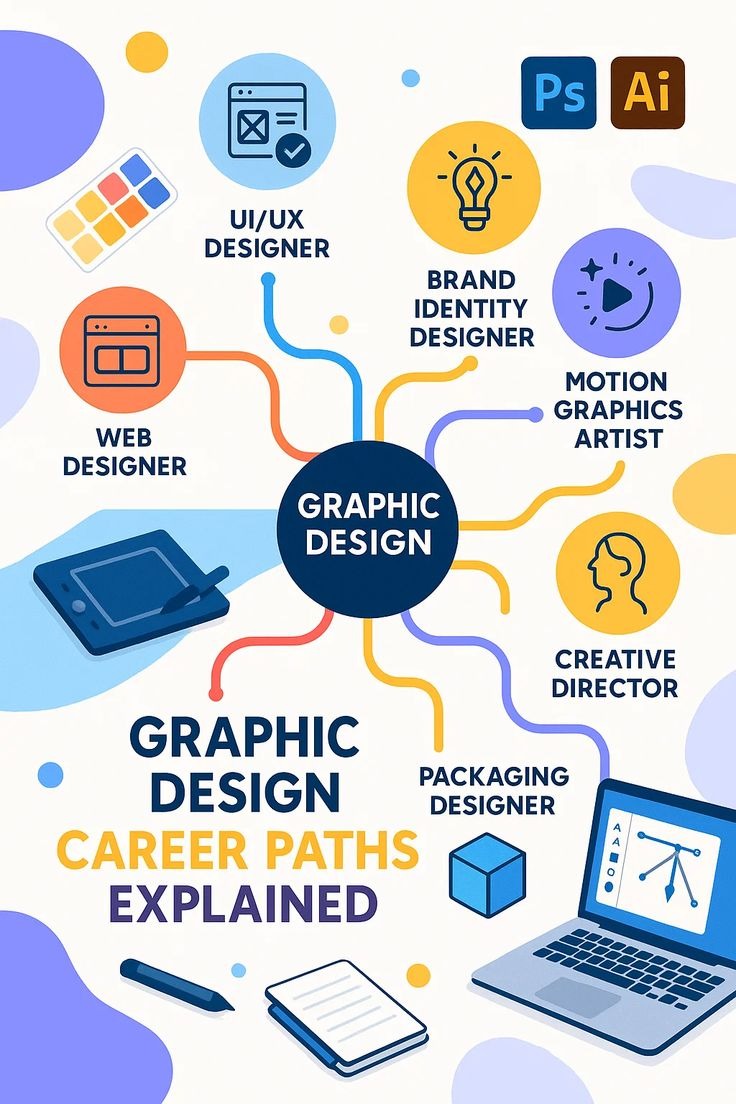
Understanding Graphic Design
Graphic Design Beginner Guide: What is Graphic Design?
Graphic design is a complex field of study comprising art and technology to express ideas. It is simply a matter of visual organization of the details of imagery, color, typography, and space in order to communicate a particular message or create an emotional impact. This can be practiced in all forms, both physical and online, in advertising, publications, product packaging, and digital interfaces. Graphic design is central to the definition of a visual culture and the manner in which the information is perceived and consumed by the audience.
Furthermore, graphic design is not only concerned with aesthetics,s but it is a systematic process that involves critical thinking and the ability to solve problems. The designers should think of the target audience, the message purpose, and the medium with which the message is to be presented. This needs a good sense of design and creative skills to put ideas on paper.
The History of Graphic Design
The graphic design history is diverse and long, dating back to ancient times when people communicated with the help of symbols and drawings. The current phase of graphic design started in the late 19th century with the invention of a printing press and the development of advertising that required the establishment of a fitting layout and typography. The early 20th-century Bauhaus movement further transformed the art of design by underlining simplicity, functionality, and the combination of art and industry.
Graphic design has progressed with the changes in technology in the 20 th century, starting with the introduction of desktop publishing in the 1980s up to the 21 st century digital revolution. In the contemporary world, graphic design has also changed as new tools and platforms have been created, which give designers an endless opportunity to experiment and innovate.
The Importance of Graphic Design
Graphic design is integral to effective communication in today’s visually driven world. Businesses can use it as a very important instrument to create their brand identity and strengthen it, stand out from the crowd, and earn the trust of their consumers. A good logo, as an example, can be branded with a product and bring about a sense of familiarity and brand loyalty to the customers. Also, graphic design can make information easier to digest and stimulating, be it via a website, mobile application, or print book.
Graphic design also makes a very strong impression on society and culture, beyond business usage. Powerful messages can be delivered with its help, awareness of social issues can be raised, and change can be encouraged. Graphic design can command the opinion and action, whether in political posters or public service announcements.
Graphic Design Basics
Elements of Graphic Design
The main aspects of graphic design are necessary to produce efficient visual content. Each design project is composed of the following Graphic Design Beginner Guide:
- Line: Lines are used to direct the viewer’s eye, create structures, and convey movement or energy. They can be thick, thin, straight, or curved, each contributing a unique quality to the design.
- Shape: Shapes are formed by closed lines and are used to create icons, symbols, and patterns. They can evoke different emotions and convey specific meanings; for example, circles are often associated with unity and harmony, while squares suggest stability and reliability.
- Color: Color is a powerful tool in design, capable of influencing emotions, creating mood, and drawing attention. Understanding color theory, including the relationships between colors and how they affect perception, is crucial for effective design.
- Texture: Texture refers to the surface quality of a design element, whether real or implied. It adds depth and dimension to a design, making it more tactile and engaging.
- Space: Space, or negative space, is the area around and between design elements. It is essential for creating balance and harmony in a design, allowing elements to breathe and guiding the viewer’s focus.
- Typography: Typography involves the selection and arrangement of typefaces to make written language legible, readable, and visually appealing. It plays a critical role in conveying the tone and personality of a design.
Principles of Graphic Design: Beginner
In addition to understanding the elements, designers must also adhere to certain principles that the Graphic Design Beginner follows:
- Balance: Balance refers to the distribution of visual weight in a design. Symmetrical balance creates a sense of stability and order, while asymmetrical balance offers dynamism and interest by using contrasting elements.
- Contrast: Contrast involves the juxtaposition of differing elements, such as colors, shapes, or textures, to create visual interest and focal points. It helps to highlight important information and enhance readability.
- Emphasis: Emphasis is used to draw attention to a specific element or aspect of a design. This can be achieved through the use of contrasting colors, larger sizes, or strategic placement within the layout.
- Movement: Movement guides the viewer’s eye through a design in a deliberate manner, creating a visual path that leads to the most critical information. This can be achieved through lines, shapes, and the strategic placement of elements.
- Repetition: Repetition involves using consistent elements throughout a design to create unity and cohesion. It reinforces brand identity and helps to establish a visual rhythm that engages the viewer.
- Alignment: Alignment ensures that elements are organized and connected within a design, creating a sense of order and professionalism. It helps to unify disparate elements and improve the overall readability of the design.
- Proximity: Proximity refers to the placement of elements in relation to one another. By grouping related elements, designers can create a sense of connection and hierarchy, making the design more intuitive and easier to navigate.
Graphic Design Beginner Getting Started
Learning Graphic Design
Embarking on a journey to learn graphic design can be both exciting and overwhelming. Fortunately, there are numerous resources available to help beginners get started:
- Online Courses: Websites like Coursera, Udemy, and Skillshare offer a wide range of online courses tailored for beginners. These courses often include video lectures, assignments, and peer feedback to help learners build foundational skills.
- Books and Guides: Comprehensive books, such as “The Elements of Graphic Design” by Alex W. White, provide valuable insights into design theory and practice. Books can be an excellent resource for self-paced learning and in-depth exploration of specific topics.
- Free Tutorials and Blogs: Platforms like YouTube and design blogs offer countless free tutorials and articles on various design techniques and trends. These resources are perfect for learning specific skills or staying updated on the latest design developments.
Tools for Graphic Design
Equipping yourself with the right tools is essential for creating professional-quality designs. Here are some popular graphic design tools to consider:
- Adobe Photoshop: A versatile software used for image editing, retouching, and manipulation. It is widely used by professionals for tasks ranging from photo editing to creating digital artwork.
- Adobe Illustrator: Ideal for creating vector graphics, illustrations, and logos. Illustrator is favored for its precision and scalability, making it perfect for print and digital media.
- Canva: A user-friendly design tool that offers a wide range of templates and graphics, ideal for beginners and those creating content for social media and presentations.
- GIMP: A free and open-source alternative to Photoshop, GIMP offers many of the same features, making it a great option for those just starting or on a budget.
Building a Portfolio
A portfolio is essentialto preparee and showcase your work, as well as to find a new client or employer later in life, when you are developing your skills. The good portfolio illustrates how well you can design and how you can do things creatively. The following are some of the suggestions on how to create an impressive portfolio:
- Diverse Projects: Include a variety of projects that highlight your range of skills and styles. Consider creating fictional brands, redesigning existing logos, or collaborating with local businesses to expand your portfolio.
- Presentation: Pay attention to how you present your work. Use clean, professional layouts and provide context for each project, explaining your design choices and the challenges you faced.
- Online Presence: Create an online portfolio using platforms like Behance, Dribbble, or your own website. An online presence allows you to reach a wider audience and connect with potential clients worldwide.
Tips for Aspiring Graphic Design Beginners
- Practice Regularly: Dedicate time each day to hone your design skills. Regular practice helps you refine your techniques, experiment with new ideas, and build confidence in your abilities.
- Seek Feedback: Share your work with peers, mentors, or online communities to receive constructive criticism. Feedback provides valuable insights into your strengths and areas for improvement, helping you grow as a designer.
- Stay Inspired: Keep your creativity flowing by exploring different design styles, following design blogs, and attending workshops or conferences. Inspiration can be found everywhere, from art galleries to nature, so keep an open mind and stay curious.
- Network: Building connections with other designers can open doors to new opportunities and collaborations. Join online forums, attend local meetups, or participate in design challenges to expand your network and learn from others in the field.
Conclusion
Graphic design is a soothing and exciting profession incorporating both creative and technical abilities. You can start exploring the world of graphic design by learning the fundamentals and applying them on a regular basis. Whether you want to create stunning visuals for personal projects or pursue a career in design, the possibilities are endless.