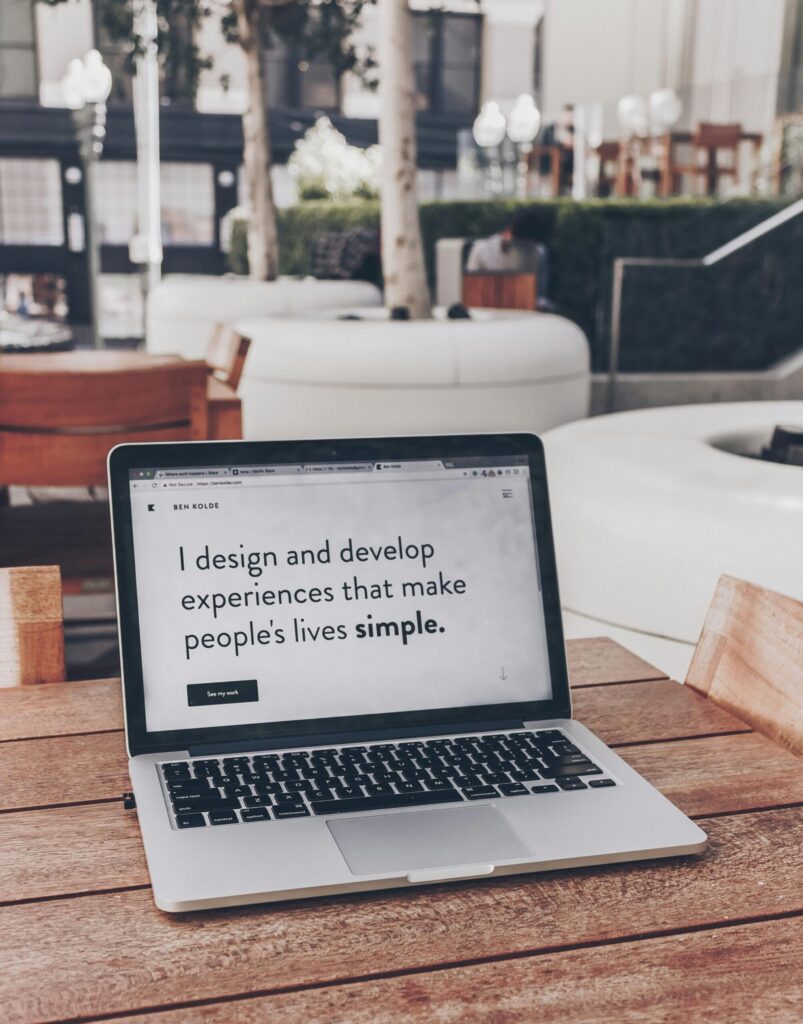
In today’s digital world, companies of all sizes depend on a strong online presence to prosper. This has placed significant demand on professionals with advanced skills in developing pleasing, practical, and user-friendly websites. A freelance web designer is a self-employed professional who designs and often builds websites on a project-by-project basis, with no single employer.
In contrast to in-house designers, freelancers have the flexibility to select work, set their own rates, and manage their own schedules. Based on industry assessments, freelance web designers are highly creative and technically proficient, delivering tailored solutions that help businesses stand out online.
This paper discusses the tasks, skills, work schedule, and advantages of a freelance web designer on a daily basis. Whether you are considering hiring one or pursuing this career, it is essential to understand their role to appreciate their value.
Core Responsibilities of a Freelance Web Designer
The job description of freelance web designers is varied, as it involves both creative and technical work in website development. Their main aim is to present a client’s vision in the digital world in a way that is aesthetically pleasing, intuitive, and functional.
Key tasks include:
- Meeting with Clients: This step involves discovery sessions during which the relationship manager learns the client’s goals, target audience, brand, and specific needs. This will ensure the final product aligns with the business goals.
- Planning and Wireframing: Designers create site maps, wireframes, and prototypes to plan the structure and user flow. This stage is usually completed using tools such as Figma or Adobe XD.
- Visual Design: Choice of color schemes, typesetting, visuals, and design to create a user interface (UI) that is interesting. The focus is on responsive design to ensure sites are beautiful across desktops, tablets, and mobile devices.
- Integrating User Experience (UX) Principles: Dwelling on usability, accessibility, and navigation to achieve smooth experiences that would keep the visitors interested and lower bounce rates.
- Simple Development and Implementation: Many freelancers build designs in HTML, CSS, and JavaScript, or use platforms such as WordPress, Webflow, or Shopify to create live websites.
- Search Engine Optimization and Performance Optimization: Incorporating search engine optimization techniques, loading speed, and mobile responsiveness.
- Testing and Revisions: Performing cross-browsing and device testing, client feedback, and repeat edits till it receives approval.
- Launch and Maintenance: The site should be deployed, training provided (where necessary), and general Support (such as updates or minor modifications) provided.
Freelancers are typically responsible for the entire project lifecycle, from initial pitch through to handover for a post-launch project; therefore, communication and project management are paramount.
Essential Skills for Success as a Freelance Web Designer
Freelance web designers require a combination of business, creative, and technical skills to succeed.
Technical and Design Skills
- Skills in design software (Figma, Adobe XD, Photoshop, and Illustrator).
- Familiarity with HTML, CSS, JavaScript, and responsive architecture.
- Knowledge of content management systems (CMS) such as WordPress or no-code systems such as Webflow.
- Knowledge about the principles of UI/UX, the theory of colors, typography, and composition.
Soft and Business Skills
- Effective communication in dealing with the clients and feedback.
- Organization and time management for managing multiple projects.
- Promotional skills to win customers through portfolios, social media, and websites, such as Upwork.
- Simple business skills of pricing, contracts, and invoices.
It is crucial to engage in continuous learning because trends such as AI and sophisticated animation evolve rapidly.
The Typical Workflow of a Freelance Web Design Project
An average project has a systematic procedure to be efficient and satisfy the clients:
- Client Acquisition: The leads come through networking, freelance sites, or referrals.
- Proposal and Contract: Presenting elaborate proposals including scope, time, and cost; signing contract agreements to safeguard both.
- Discovery and Research: Deep discussions and analysis of the competitors.
- Design Phase: Designing mood boards, wireframes, and high-fidelity mockups.
- Development and Build: Transforming designs into an online location.
- Review and Feedback: Draft presentation.
- Launch final testing: domain setup and live.
- Post-launch support: optional maintenance packages.
This step-by-step process reduces confusion and delivers high-quality outcomes.
Benefits and Challenges of Freelance Web Design
Freelancing is a liberating and diverse experience, but it also carries responsibilities.
Pros:
- Remote working and flexible schedule.
- Possibility of increased income depending on knowledge and the number of clients.
- Several initiatives in various industries.
Challenges:
- Unpredictable revenue, particularly at the beginning.
- Managing all aspects of the business, including taxes and marketing.
- Handling demanding clients or scope creep.
Successful freelancers mitigate these through building a strong portfolio, niching down (e.g., e-commerce or startups), and contracting.
Webflow’s guide is a helpful resource for learning how to become a freelance web designer. Freelancing for Web Designing: What to Know and How to Start.
Why Hire a Freelance Web Designer?
Businesses often engage freelancers for their affordability, professional expertise, and fresh ideas. They offer custom solutions without full-time hiring costs, making them suitable for startups, small businesses, and single projects.
Tips for Aspiring Freelance Web Designers
- Develop an excellent portfolio of actual projects.
- Connect on websites such as LinkedIn or Dribbble.
- Establish competitive prices on experience (hourly or project-based).
- Referrals and reviews come first, followed by client satisfaction.
- Keep abreast of 2025 trends, including mobile-first design and accessibility requirements.
Conclusion
Freelance web designers are fundamental to shaping the online world with artistry and functionality, thereby designing effective websites. They stimulate business growth by increasing user interest and brand awareness. Given the ever-growing digital needs, this profession remains promising and in high demand.