How to choose the right digital marketing strategy, I have worked in digital marketing in my twenty years and I have witnessed numerous cases where companies jump in full throttle into a glitzy campaign only to see it blow up due to lack of correlation with the actual needs of the company. Consider a small coffee roastery that I used as an example in 2018, and they spent thousands of dollars on Instagram advertisements with artisanal beans, yet their fundamental clientele consisted of office workers who wanted to find out on Google how to get their coffee within a few minutes. The incongruity was not only apparent but it cost them a lot.
My experience as an individual who has assisted startups to grow and existing brands to transition with economic swings and turns can inform you that it begins with self-reflection. Digital marketing is not a universal set of tools, a combination of such channels as SEO, social media, email campaigns, paid advertising, and generating content, each of which has its advantages and traps. The pressure to make a good investment has never been as great as it is now with global digital spending on advertising expected to reach over 800 billion dollars by 2026, as indicated in the latest industry reports.
Step 1: Determine Your Business Goals and Get To know your audience inside out.
Any successful digital marketing program is based on an understanding of what you are attempting to accomplish. Do you want brand awareness, lead generation, customer retention or direct sales? I have witnessed a lot of entrepreneurs omitting the step and going directly to strategies such as viral Tik Tok videos without determining whether that is what their audience desires.
Begin by tracing your objectives on the SMART model- Specific, Measurable, Achievable, Relevant, Time bound. As an example, in 2024, a boutique fitness studio that I was consulting desired to increase the number of memberships by 30 percent within six months. We understood that their target market consisted of busy people between 30s and 40s years old, who considered convenience rather than fashionable exercises. This understanding guided us not to chase digital tactics of energetic social media content but instead to focus our efforts on targeted email newsletters with information about flexible classes and online courses.
Step 2: Digital Landscape and Competitor Moves Survey.
After you have nailed your goals and audience, then have a hard look at the existing digital ecosystem. Trends are temporary, as the history of short-form video development has been marked by the rise and fall of Reels and Shorts, or the influence of voice search on SEO since smart speakers became ubiquitous items in households. By 2026, when the search engines add more multimedia results and social platforms prioritize consumer-created content, it is important to remain current.
SWOT-analyze your online presence. Check the performance of your site, the interaction with social networks, and rankings on search engines. Analytical programs, such as Google Analytics or free ones, would show the sources of traffic and its points of decrease. Then, do surveillance on competitors, not to imitate, but to study. One of the mid-sized e-commerce retailers who I consulted reviewed the strategy of competitors and concluded that they were winning over with user-generated content on Pinterest which we readapted by promoting customer reviews where they could leave photos.
Step 3: Research and Lay the Groundwork on the Digital Marketing Channels.
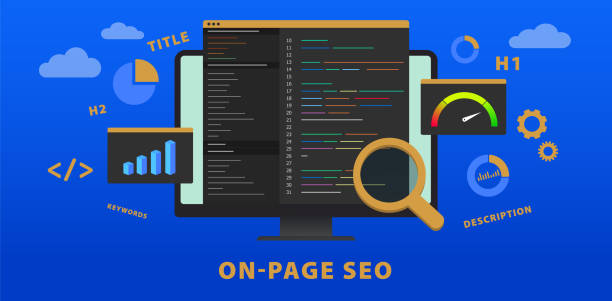
- SEO (Search engine optimization): It is best in the long-term. Provided that your audience looks up answers online, such as the best eco-friendly cleaning products, optimization of your site can generate free traffic. One of the local bakeries that I assisted in ranking at the top with the query of fresh sourdough near me, increased the foot traffic by 40% through blog posts of baking tips. However, SEO is time consuming, and results may not be felt in the first 3-6 months, and it must constantly be updated as algorithms change.
- Social Media Marketing: Ideal in terms of interaction and building a community. Instagram or X (once Twitter) are the best platforms when it comes to visual brands, whereas LinkedIn is effective when it comes to professional services. In one instance, I steered a fashion start-up to adopt Instagram Stories where polls are done behind the scene to create loyalty. Nonetheless, there is the real threat of algorithm whims and ad fatigue; diversification is the way out.
Content Marketing: This is blogs, Videos, Podcasts, anything that is useful. It is my source of developing expertise. One of the technology companies I have worked with created comprehensive crash courses on cybersecurity, which I generated leads through. - Email Marketing: The untapped and yet potent tool of retention. Personalized campaigns are convertible with open rates of 20-30 on average. Considered leaving only cart reminders or newsletters of exclusive discount. Ethical consideration: Consent should always be taken and easy unsubscribe options should be provided to meet the regulations such as CAN-SPAM.
Step 4: Take into Account Resources, Budget and Ethical considerations.
There is no strategy that can survive without realistic resourcing. Evaluate your team skills- does your team have in-house content creation talent or do you require freelancers? On the budget side, at least, but best at industry standards, devote 7-15% of revenue to marketing, but begin small (when bootstrapping).
Underestimating time is one of the pitfalls in my case. SEO may be cheaper in the short run, but requires more investment in time and work whereas PPC consumes money. The tools, such as HubSpot or Mailchimp, can simplify, although, they consider learning curves. On the ethical front, transparency is of the top priority, fake reviews should be avoided at all costs, as they might result in fines and mistrust.
Conclusion
Conclusively, the selection of the appropriate digital marketing strategy is not a once in a lifetime undertaking. Based on my experience in the trenches, the companies that are successful are the ones that remain flexible, people-oriented, and moral. It is not always a ride and I have had campaigns fail after trying my level best but learning makes one become resilient. When you are getting started, be on one or two channels and build up as you get comfortable and keep in mind: being genuine always breaks through the noise.
FAQs
How do you start with the selection of a digital marketing strategy?
Make your business objectives clear and get to know your target market well by research and personas.
What makes me think that SEO can be right in my business?
When your customers are searching online to get products or services similar to yours, and you have long-term growth in mind, one of the most compatible tools is SEO which, however, takes patience.
Should I be paid or train on organic?
It is a matter of time; paid advertisements are fast but more expensive whereas organic is sustainable. Balanced growth can best be achieved by a mix.
What will a budget on digital marketing cost me?
Target 7-15% of your revenue, but smaller when you are new, and increase or decrease depending on the ROI of the initial tests.
What is in case my plan is not working?
Measure every metric, run the A/B tests, and be prepared to make changes over and over again, digital marketing requires the ability to adjust according to the data and trends.
In digital marketing, are there any ethical concerns to be concerned about?
Yes, it is always better to prioritize data privacy, transparency, and not to make false statements to create trust and to act within the regulations.